Balham High Road rubbish clearance guide for homeowners
Posted on 04/07/2026
If you live near Balham High Road, rubbish can build up fast. One old sofa in the hallway turns into a pile of broken bits, a shed clear-out becomes a weekend headache, and before you know it the loft is full of things you meant to deal with months ago. This Balham High Road rubbish clearance guide for homeowners is here to make the job feel a lot less messy, a lot more manageable, and far less stressful.
Whether you are clearing a single bulky item, getting the house ready for sale, or tackling a full declutter after years of "I'll sort that later", the key is knowing what to remove, what to keep, and how to move everything out safely. We will walk through the process, the common pitfalls, practical ways to save time, and the best decisions to make when the bins are full and the weekend is already gone. Let's face it, no one wants to spend Saturday wrestling a carpet down the stairs.
For homeowners who want a broader view of what can be arranged, it can also help to start with your rubbish removal options and then narrow it down from there.
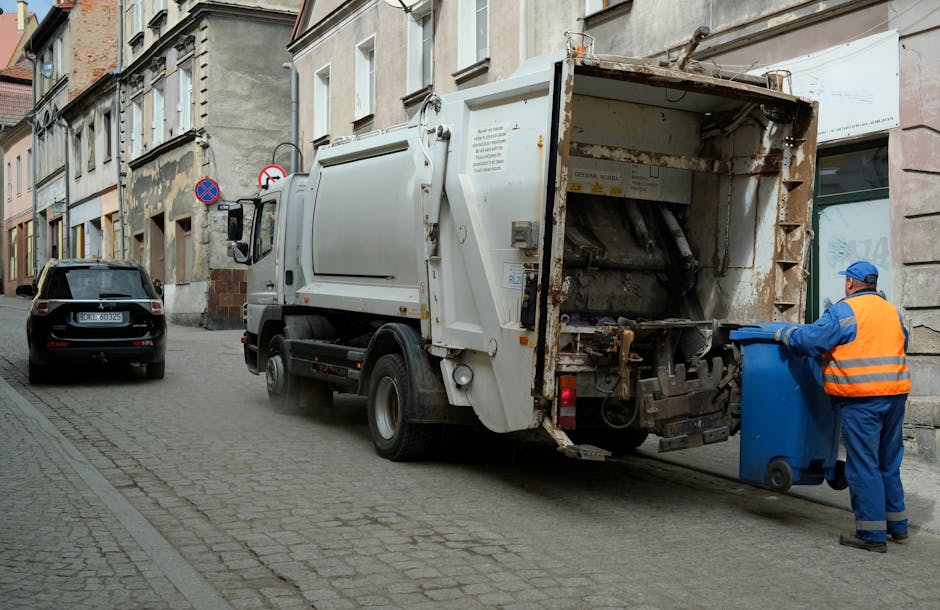
Why Balham High Road rubbish clearance guide for homeowners Matters
Balham High Road is busy, practical, and very much lived-in. Homes around it often deal with the usual London realities: limited storage, narrow access, awkward parking, shared entrances, and not nearly enough time. That makes rubbish clearance more than a tidy-up task. It is often a space-saving job, a safety job, and sometimes a property-value job too.
Homeowners usually come to rubbish clearance for one of a few reasons. A room needs reclaiming. A house is being prepared for sale or letting. Renovation waste is piling up. Or the garden has quietly become a second storage area. The point is not just getting rid of things. It is getting the right things out in the right way, without creating more work later.
There is also a local angle. Around Balham High Road, you may notice that access can be tighter than you expect, especially at busy times. A tidy clearance plan helps you avoid last-minute issues with loading, neighbours, or delays. That matters when you are trying to keep the day moving.
For homeowners looking at property moves or upgrades, rubbish clearance often sits alongside other decisions. If you are thinking about presenting a property better, you may also find useful context in selling property in Balham and real estate in Balham investment tips.
Expert summary: Good rubbish clearance is not just about disposal. It is about planning access, separating reusable items, handling waste safely, and choosing the simplest route from cluttered to clear.
How Balham High Road rubbish clearance guide for homeowners Works
In practice, home rubbish clearance usually follows a straightforward flow. First, you identify what needs to go. Then you decide whether it can be reused, recycled, donated, or removed as general waste. After that comes the lift, load, and final disposal stage. Simple on paper, less simple when there is a broken wardrobe, three bags of old paint tins, and a mystery box from 2018.
The most common approach is to separate items by type. Bulky furniture, mixed household waste, garden waste, renovation debris, and electrical items should not all be treated the same. Different materials often need different handling, and that is where planning saves time.
A well-run clearance also pays attention to access. Is there a narrow hallway? Do you need protection for floors? Will items need to be carried through a shared entrance? Is parking available nearby? Small details like this can make a big difference. To be fair, they are the difference between a tidy job and a stressful one.
If your clearance overlaps with home improvement work, a dedicated service such as builders waste disposal in Balham may be more suitable than a general household collection, because renovation debris tends to be heavier, dustier, and more awkward to move.
For people who want a wider view of available services, the services overview gives a useful sense of how different clearance needs fit together.
Key Benefits and Practical Advantages
The obvious benefit is a clearer home. But if you stop there, you miss the bigger picture. Rubbish clearance can reduce stress, improve safety, free up usable space, and make the whole property feel more in control.
- More usable space: A spare room can become an office, a nursery, a guest room, or simply a room again.
- Better safety: Clear floors, clear stairs, and fewer trip hazards matter, especially in homes with children or older residents.
- Less decision fatigue: Once you have a plan, you stop moving the same pile from one corner to another.
- Smoother property preparation: Clearance can help when you are decorating, selling, or dealing with a tenancy change.
- More responsible disposal: When items are sorted properly, recycling and reuse become much easier.
There is also a surprisingly emotional benefit. People often feel lighter after a proper clear-out. Not euphoric, maybe, but definitely relieved. That "we can breathe again" feeling is real. You notice it in the room straight away. Less visual noise. Less clutter. More calm.
If sustainability matters to you, it is worth looking at recycling and sustainability so that reusable or recyclable material does not end up treated like generic rubbish.
Who This Is For and When It Makes Sense
This guide is for homeowners, landlords who also live in the property, and anyone managing a house on or near Balham High Road who wants a sensible way to clear waste without turning the job into a mini demolition project. It is especially useful if you are:
- decluttering before a move
- clearing out an inherited property
- emptying a loft, garage, shed, or under-stair cupboard
- dealing with garden waste after a big tidy-up
- removing broken furniture or old appliances
- preparing for decorating, renovation, or a deep clean
It also makes sense when you are on a deadline. Estate agents, decorators, and builders do not usually wait around, and clutter tends to get in the way quickly. If you are planning a house move, that point hits hard; suddenly every old box is in the way of everything else. A fast, organised clearance can save a lot of friction.
Homeowners with larger or more mixed clear-outs may find a full house clearance service in Balham more practical than trying to tackle each room separately.
Step-by-Step Guidance
Here is the simplest way to approach a home rubbish clearance without overcomplicating it.
- Walk through the property room by room. Make a quick list of items that are definitely going, possibly going, or staying.
- Separate by category. Put furniture, general waste, garden waste, and electrical items into different groups if you can.
- Decide what can be reused or donated. Not everything needs to be treated as rubbish. A sturdy chair or working appliance may still have life left in it.
- Check access points. Measure awkward stair turns, note parking constraints, and watch out for low ceilings or tight corners.
- Protect the route out. Use covers or lifting protection if needed, especially on painted walls and polished floors.
- Remove waste in the right order. Start with awkward, heavy, or bulky pieces before bags of loose waste clutter the route.
- Do a final sweep. Check cupboards, under beds, behind doors, and in loft corners. It is always the small things that hide.
A practical tip: if you have mixed waste, take a minute to deal with the obvious recyclables first. Cardboard, metal, and clean wood are easier to separate before everything gets piled together. That little bit of effort can make the whole clearance feel cleaner and more efficient.
When waste involves heavy rubble, plasterboard, or material from a refurbishment, a more specialist approach like builders waste disposal Balham is often a better fit.
Expert Tips for Better Results
Good clearance work is mostly about avoiding friction. A few small habits make a big difference.
- Book around access, not just convenience. If parking is awkward or traffic is heavy, choose a time that gives breathing room.
- Take photos before you start. This helps you remember what belongs where and can stop accidental disposal of something you meant to keep.
- Keep one "unsure" zone. If an item might be kept, stored, or sold, do not let it drift into the discard pile by mistake.
- Think in layers. Top layer out first, then hidden items, then awkward corners. It sounds obvious, but people skip it all the time.
- Do not underestimate weight. Old furniture, damp garden waste, and broken appliances can be heavier than they look.
Here is a small real-world thing we see quite often: a homeowner starts with "just a few bags", then discovers three rusted shelving units, a mattress, and a sink unit in the same room. That is not a disaster. It just means you should expect the unexpected. A little flexibility goes a long way.
If you are comparing waste handling options or want a broader sense of what can be removed, waste removal in Balham is a helpful page to review alongside your plan.

Common Mistakes to Avoid
Most clearance headaches come from simple, avoidable mistakes.
- Leaving everything until the last minute. Rubbish piles are much easier to manage when you sort them early.
- Mixing everything together. Once waste is blended, recycling becomes harder and disposal may become more complicated.
- Ignoring access issues. A narrow passage or blocked driveway can slow the whole job down.
- Forgetting about hazardous items. Paint, chemicals, sharp objects, and certain electrical items need careful handling.
- Overfilling bags and boxes. It is tempting, but it makes lifting unsafe and much less efficient.
- Assuming "rubbish" means the same thing everywhere. Different items often need different treatment. A bit of sorting helps a lot.
A quieter mistake is sentimental delay. You keep a pile because you are not sure yet, and six months later the pile has become part of the furniture. Happens all the time. If an item has not been useful, used, or loved in a long while, that is usually a sign.
For homeowners wanting reassurance around safe handling and responsible work practices, insurance and safety is worth reading before any large clearance is arranged.
Tools, Resources and Recommendations
You do not need a garage full of specialist kit, but a few basics make clearance smoother.
- Strong gloves: Useful for sharp edges, dusty items, and awkward handling.
- Heavy-duty bags or boxes: Better than thin bags that split halfway down the stairs.
- Tape and labels: Simple, but brilliant for marking keep, donate, recycle, and remove piles.
- Furniture sliders or a sack truck: Helpful for heavier pieces, depending on access.
- Dust sheets or floor protection: Very useful in older homes or when moving bulky items through narrow routes.
- Phone camera: Great for inventory, reminders, and before/after checks.
For people who want to understand cost structure before going ahead, the page on pricing and quotes is a sensible place to begin. It helps frame the decision without guessing.
And if you are trying to make a more informed choice about the company itself, a quick look at about us can help you understand the people behind the service. Trust matters in this kind of work. It just does.
Law, Compliance, Standards, or Best Practice
With rubbish clearance, the safest approach is to follow accepted UK waste-handling best practice and to treat anything uncertain carefully. Homeowners do not need to become waste experts overnight, but a few principles matter.
First, waste should be handled responsibly and not left where it creates a nuisance, a hazard, or an obstruction. Second, certain items need extra care. That can include electricals, sharp objects, paint, old chemicals, heavy materials, and anything contaminated. Third, if a service provider is taking waste away, it is sensible to check that they operate transparently and handle disposal properly.
There is also a practical duty of care on the homeowner side. In plain English, that means you should not hand over waste blindly and hope for the best. Know what is being removed, keep a record where needed, and make sure items are separated sensibly. It is a simple habit, but a good one.
For homeowners who value ethical handling, the site's modern slavery statement and payment and security information can offer useful reassurance about responsible operations and safe transactions.
Practical best practice: if you are unsure whether something is recyclable, reusable, or special waste, keep it separate until you have checked. Guessing is where trouble starts.
Options, Methods, or Comparison Table
Different clearance methods suit different homes. The right choice depends on volume, urgency, access, and how much sorting you want to do yourself.
| Option | Best for | Advantages | Trade-offs |
|---|---|---|---|
| DIY clearance | Small amounts, low urgency | Full control, flexible timing | Time-consuming, physical effort, disposal complexity |
| Mixed household waste collection | Everyday clutter and general items | Simple to arrange, good for varied loads | May not suit heavy or specialist waste |
| House clearance | Whole rooms, estate clear-outs, moves | Efficient, structured, less stress | Less hands-on control if you want to sort everything yourself |
| Garden waste removal | Green waste, branches, soil, outdoor clutter | Keeps outdoor work separate and tidy | Not ideal for furniture or general household items |
| Builders waste disposal | Renovation rubble, timber, site debris | Better suited to heavy construction waste | Not the best match for general household clear-outs |
The main decision is simple: do you want to spend time sorting and transporting everything yourself, or do you want the job handled more efficiently? Neither answer is wrong. It depends on the day you are having and how much you value your weekend, truth be told.
If your waste is mostly from the garden, garden waste removal Balham is often more appropriate than treating it as a mixed clear-out.
Case Study or Real-World Example
Picture a homeowner on a side street off Balham High Road. The house is being repainted, the front room has become a temporary storage zone, and the back garden has a stack of broken planters, cut branches, and an old bench that has seen better days. The plan started with one tidy weekend. It usually does.
Instead of trying to do everything at once, they split the job into three stages. First, they cleared the indoor furniture and loose household waste. Second, they sorted garden materials separately so they were not mixed with general rubbish. Third, they set aside a small pile of items that could be reused or passed on. The result was calmer, faster, and much easier to manage than a single chaotic push.
The important lesson was not speed alone. It was sequencing. Once the big items were out, the smaller stuff took care of itself. The hallway looked bigger within minutes. The room felt less heavy. That change is often the moment people realise the clearance was not just practical; it gave the home a reset.
In situations like this, some homeowners also choose to compare whether a full clearance or a more focused service is the better fit. A room-by-room declutter may need a different setup from a move-out clean, and that is where a bit of judgement helps.
Practical Checklist
Use this checklist before any Balham High Road home clearance.
- Identify the rooms or areas being cleared.
- Separate keep, donate, recycle, and remove items.
- Set aside anything fragile, valuable, or sentimental.
- Check for electrical items, paint, sharp objects, or other special waste.
- Measure awkward access points and note parking limitations.
- Protect floors, walls, and corners if large items are being moved.
- Decide whether you need household, garden, or builders waste handling.
- Take photos of the job before you start.
- Make sure pathways are clear for lifting and carrying.
- Do a final sweep of cupboards, lofts, sheds, and under-stair storage.
A small bonus tip: keep a bin bag or box labelled "not sure yet". It prevents decision paralysis. You can come back to it later, without letting it take over the entire room.
Conclusion
A good Balham High Road rubbish clearance guide for homeowners should do more than tell you to throw things away. It should help you think clearly, sort confidently, and choose the right method for the waste you actually have. That is really the whole game here. Less clutter, fewer surprises, better use of space, and a calmer home.
If you take one thing from this guide, let it be this: start with sorting, think about access early, and match the clearance method to the kind of waste you are dealing with. That simple approach saves money, time, and a fair amount of frustration.
And if the job looks larger than you first thought, that is normal. Happens all the time. A little planning goes a long way, and the relief on the other side is worth it.
Get a free quote today and see how much you can save.


From a young age, Blair has cultivated a passion for order, which has now matured into a prosperous profession as a waste removal specialist. She derives satisfaction from transforming disorderly spaces into practical ones, aiding clients in conquering the burden of clutter.
 Tipper Van - Rubbish Disposal and Rubbish Clearance Prices in Balham, SW12
 Luton Van - Rubbish Disposal and Rubbish Clearance Prices in Balham, SW12